
Flat warts/blemishes

skin·tone
Flat warts and blemishes
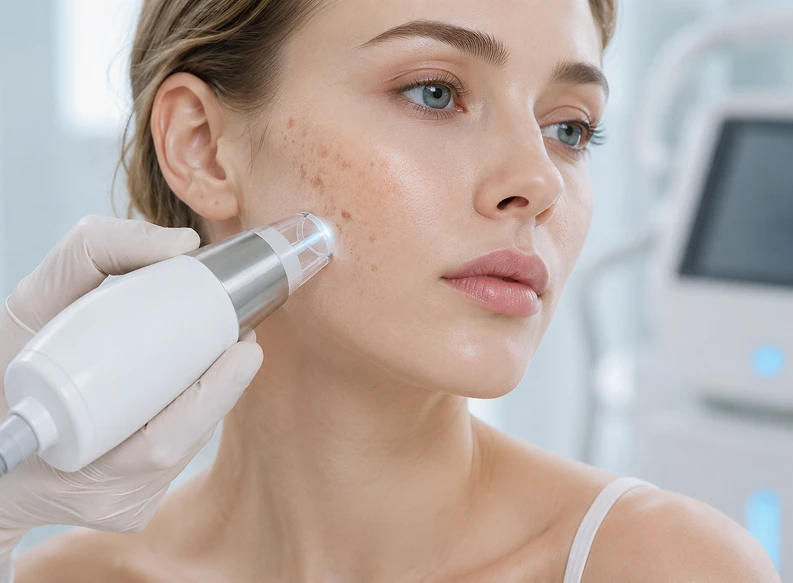
Care for smooth and clean skin, from small lesions to minor blemishes.
• Custom Care
Small raised flat wart,
If you are concerned about dull blemishes
Flat warts are small, flat lesions that rise on the surface of the skin.
If left untreated, it may spread to surrounding areas or make the skin texture look rough.
Blemishes and pigmentation are caused by UV rays, skin irritation, post-inflammatory pigmentation changes, etc.
It appears for a variety of reasons and makes the skin tone look dull and uneven.
Jayeon Oriental Medicine Clinic checks the shape of the lesion, pigment depth, and skin sensitivity.
We suggest a treatment direction suited to your skin condition.
Flat warts and blemishes, why worry?
Small lesions and pigmentation concerns can disturb skin texture and tone.
-
Smooth skin texture
When small, flat lesions rise on the skin surface, the skin texture may appear rough and dirty.
-
Lesions that gradually spread
Flat warts can spread to surrounding areas.
Management appropriate for the initial condition is important. -
Dull-looking blemishes
Blemishes and pigmentation darken your skin tone.
It causes it to look uneven. -
Concern about recurrence after treatment
Not only lesion removal, but also skin recovery and daily life management
When considered together, highly satisfactory results can be expected.



• Cause
Causes of flat warts and blemishes
If left as a simple problem, it can lead to scars and enlarged pores. Knowing the cause will change your approach.
-
01
Viral skin lesions
Flat warts are viral lesions,
It may spread depending on immune status or skin irritation. -
02
UV exposure
Ultraviolet rays stimulate melanin production.
Can darken blemishes and pigmentation. -
03
Skin irritation and inflammation
After inflammation due to acne, wounds, friction, etc.
Pigment may remain and look like blemishes. -
04
Deterioration of skin barrier
When the skin is sensitive and has poor recovery ability,
Lesions and pigmentation concerns are prone to repetition.
• Scar Types
Flat warts/blemishes, treatment appropriate for the type is required
Even for the same scar, the approach varies depending on the type. We design treatment methods according to type and depth.
-
Type 01
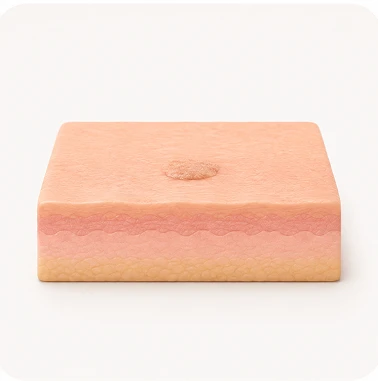
Flat wart
A small, flat lesion that rises on the skin surface.
After checking whether it is spreading and the range of distribution,
Plan the treatment direction. -
Type 02
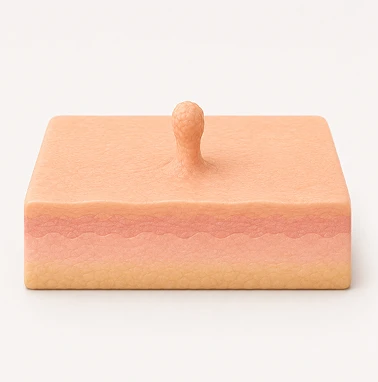
Skin tag (soft fibroma)
It is a small, soft, flesh-colored protruding lesion that appears in areas that frequently experience friction, such as the neck, eye area, and armpits.
-
Type 03
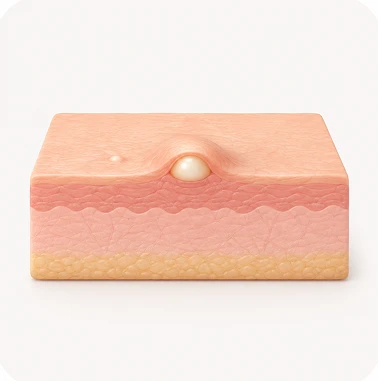
Milia
It is a small, hard lump of dead skin that rises like millet around the eyes and cheeks. It cannot be removed by squeezing, so it needs to be removed.
-
Type 04
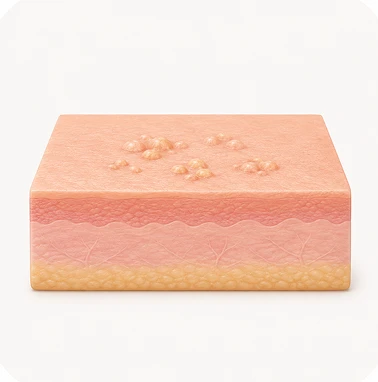
Han Gwan-jong
It usually appears in groups under the eyes.
Small nodular lesion,
Approach by checking distribution and depth.
Flat wart and blemish treatment solution
Carefully manage flat warts and blemishes by selecting equipment that suits your skin condition.
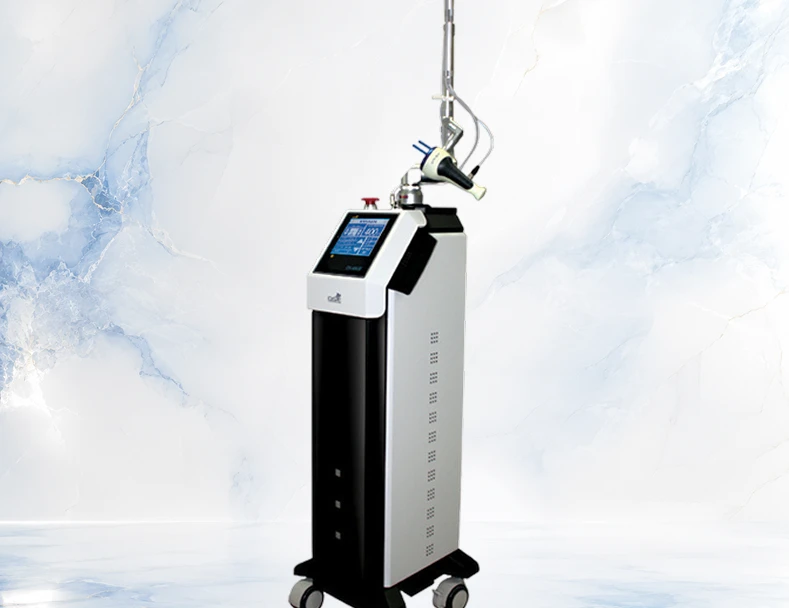
Fraxel CO2
This laser is used to treat flat warts and keratinous lesions by precisely removing raised lesions with a CO2 laser and inducing regeneration of surrounding tissues.
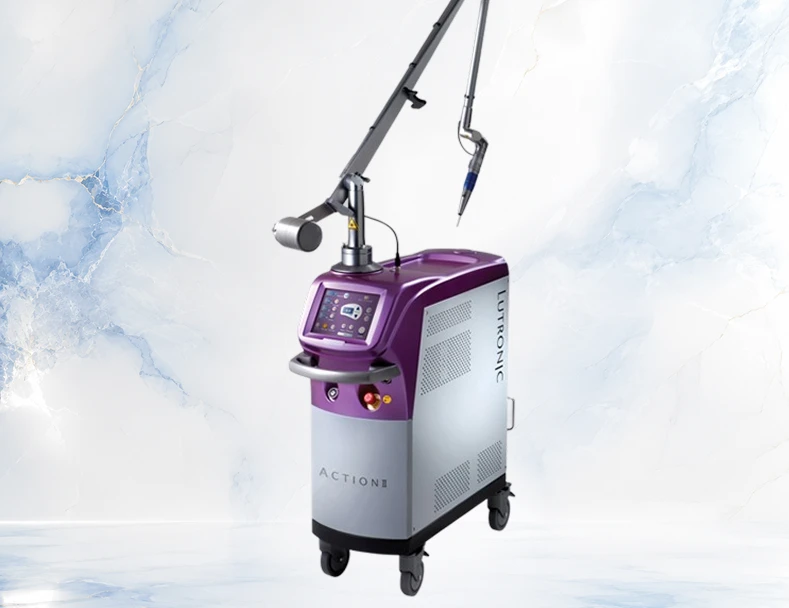
Erbium YAG Laser
A 2,940nm laser that is selectively absorbed by skin moisture and is used to precisely remove unnecessary tissue on the surface. It delicately treats superficial lesions such as flat warts and helps reduce heat damage and recovery burden on surrounding tissues.
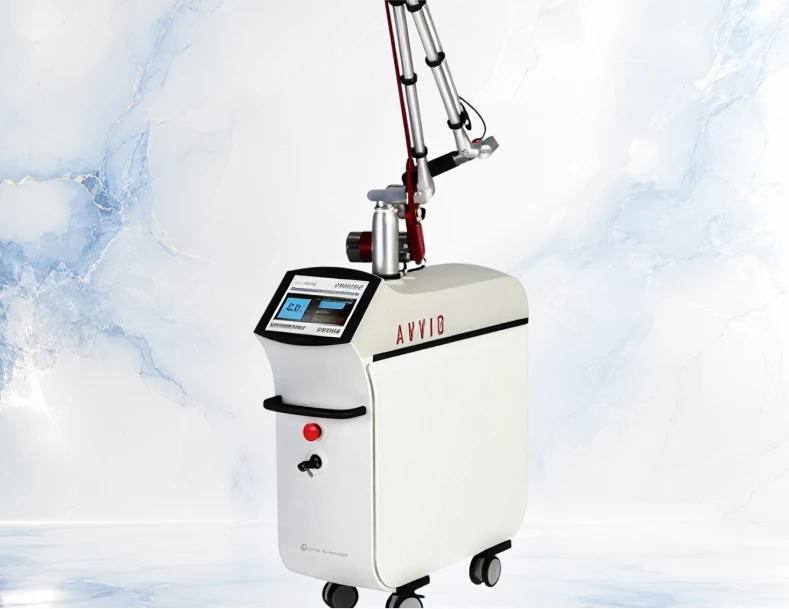
아비오 어븀야그 레이저
2940nm Er:YAG 레이저를 이용해 피부 표면의 불필요한 조직을 정교하게 제거하는 장비입니다. 주변 조직의 열 손상을 줄이면서 편평사마귀·점·비립종 등 다양한 표피 병변과 피부결 개선에 활용됩니다.
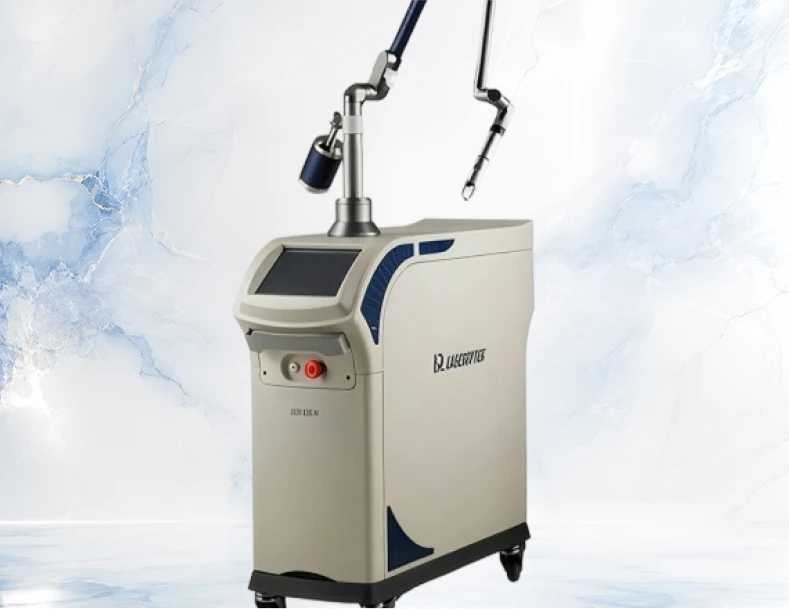
로터스 ii 어븀야그 레이저
2940nm Er:YAG 레이저를 이용해 피부의 수분에 선택적으로 에너지를 전달하고 표면 조직을 정교하게 제거합니다. 편평사마귀·점·비립종 등 다양한 표피 병변과 피부결, 흉터 및 모공 개선에 활용됩니다.
• Process
The procedure goes like this
-
STEP 1

Precise skin diagnosis
Distribution of flat warts, depth of blemishes,
We carefully check skin sensitivity and recovery status. -
STEP 2

Individualized treatment
Depending on the type of lesion and pigment condition
A combination of removal, pigment care, and soothing care is performed. -
STEP 3

Customized follow-up care after treatment
Check the skin reaction after the treatment and
Provides guidance on recovery management including regeneration, moisturizing, and UV protection.
• Expected Effects
Expected effects of flat warts and blemishes in nature
Depending on the type of lesion and skin condition
Helps improve rough skin texture and pigmentation concerns.

Smoother skin texture
Clean skin impression
Parallel care for skin regeneration environment
Before the procedure, please know in advance
First classify lesions with similar appearances and then determine the scope and method of removal.
-
If the lesion suddenly grows larger, changes color or shape, or bleeds, diagnosis is a priority before removal.
-
Please inform us of your history of dermatitis, infection, wounds, keloid constitution, and herpes in the treatment area.
-
Please inform us of your anticoagulant use, bleeding tendency, pregnancy/lactation status, and recent laser/peeling history during consultation.
-
After removal, redness, oozing, fine scabs, and temporary pigmentation may occur.
-
Do not pick off scabs or scratch the lesion and follow the recommended regeneration and UV protection care.
• FAQ
Frequently Asked Questions
We guide you through questions regarding the diagnosis, removal, and recovery of flat warts and blemishes.
-
Even if the color and size appear similar, the cause and surface appearance may be different. The medical staff will check the lesion and give priority to diagnosis if necessary.
-
Flat warts, which are viral lesions, can spread to surrounding areas through scratching or shaving. Please use your own personal shaving tool instead of tearing it off with your hands.
-
Treatment can be divided according to the number and extent of lesions and skin sensitivity. Hidden lesions may become visible later or may develop new ones and require additional treatment.
-
Do not forcefully remove the product until it falls off naturally, but perform the protective and regenerative management as instructed. Sun protection is important for reducing pigmentation.
-
Depends on removal method and wound condition. Please follow individual instructions after treatment regarding timing of exposure to water or cosmetics and how to use protective patches.
-
Flat warts may recur or new lesions may form in other areas, and blemishes are also affected by ultraviolet rays and aging. Regular checks and UV protection are required.
Treatments that are good to see together
Take a look at other natural treatments that suit your constitution and skin condition.




• Booking
Treatment suited to my skin,
Start with consultation
We will guide you in designing a treatment that suits your constitution and skin condition.

