
Facial asymmetry Chuna therapy
Body Balance
Facial asymmetry Chuna therapy
Facial balance begins with the balance of the chin, neck, and body shape.
• About
A balanced face,
This is the beginning of healthy beauty.
Facial asymmetry refers to a condition in which the balance between the left and right sides of the face is disturbed due to the accumulation of small daily habits.
If the face in the photo looks tilted to one side, or if there is a sound in the jaw and one side of the jaw cannot be opened properly,
Your facial balance may have been lost even before it became apparent.


Through multi-angle inspection,
Examining the cause of asymmetry
Facial asymmetry is not just a problem, but can be caused by multiple factors such as facial skeleton, jaw joints, and muscle balance.
We look at it from multiple angles to identify the cause and find a direction for improvement that suits the individual.
-
Facial skeleton analysis
Check the balance of the height, outline, and jawline of the left and right sides of the face, and carefully examine areas where asymmetry is prominent.
-
Temporomandibular joint function test
We examine the movement when opening and closing the mouth and the possibility of jaw distortion.
-
Muscle balance test
Analyzes the tension of muscles around the face and neck and muscle imbalance that is biased to one side.
-
Posture/Alignment Analysis
The treatment direction is set by considering the impact of neck, shoulder, and spine alignment on facial balance and whole body balance.


facial asymmetry,
It's not just about the face
The face that looks different on the left and right is due to the jaw joint, cervical spine, posture, lifestyle habits, etc. rather than the face shape itself.
It may be the result of a combination of several causes. Balance when looking at causes together
The direction of recovery is visible.
Check Point
-
Left and right face lines
-
Position of jaw
-
Height of corner of mouth
-
Clown Balance
-
Eye level
-
Shoulder height

• Type
Divided into types depending on the stage of progress
Facial asymmetry is caused by a combination of congenital and acquired factors.
Fast and effective treatment is possible only when the exact type and type of asymmetry is identified and treatment is performed.
-
01
Early type starting from the temporomandibular joint
Even if the change in the facial line is not significant, the left and right balance of the jaw joint is slightly improved.
This is the time when things start to go wrong. A clicking sound in the jaw or a stiff, uncomfortable feeling when opening the mouth, etc.
Signs of the temporomandibular joint often appear first.
It is helpful to first look at the balance of the temporomandibular joint that has begun to become distorted rather than changes that are apparent on the outside.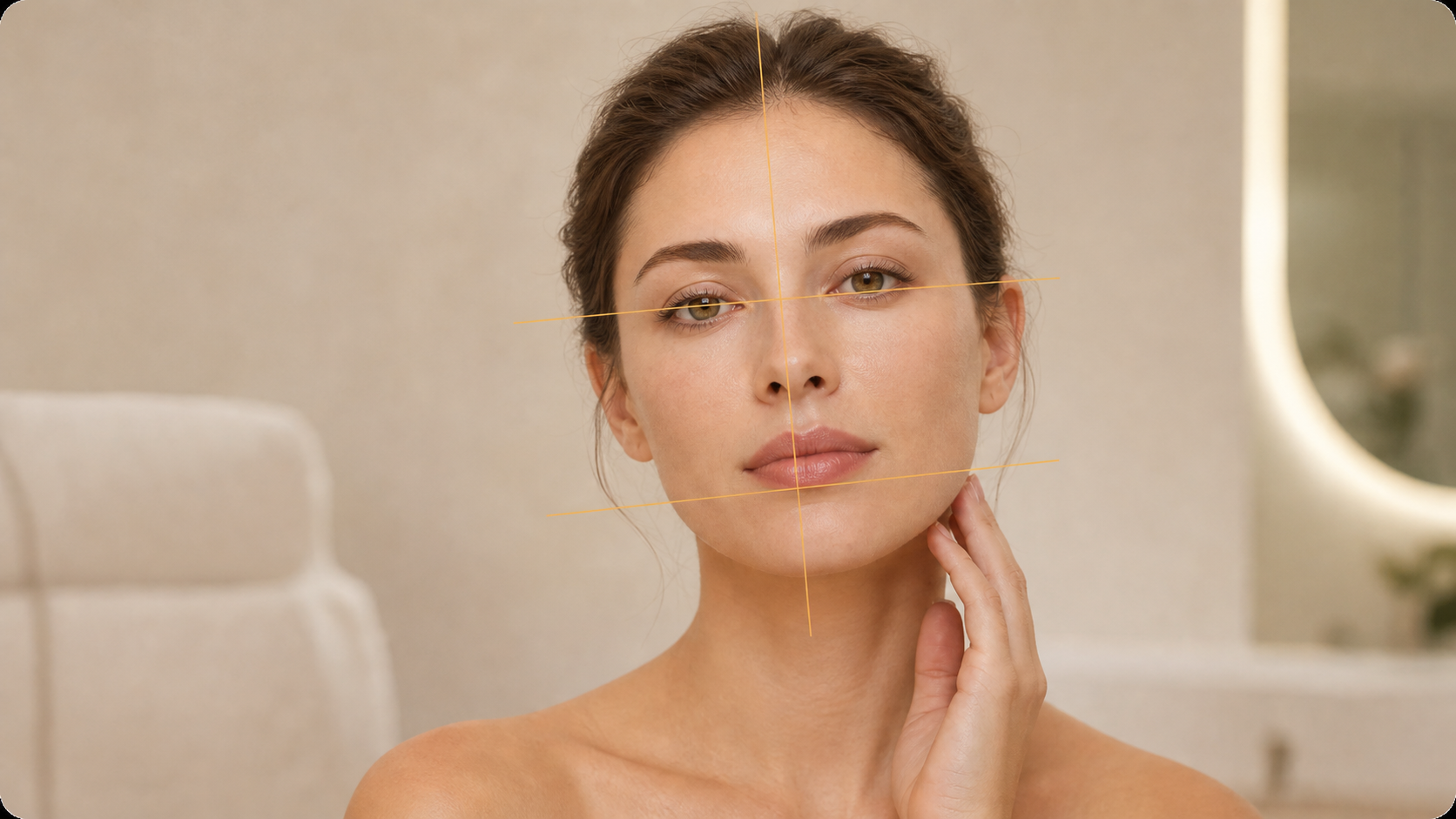
-
02
Most common type
When the lower jaw is tilted, the height of the eyebrows and cheekbones on the same side change, creating an impression on the left and right sides of the face.
This is a stage that feels different. It may also be accompanied by a difference in eye height or a feeling that the head is tilted to one side.
We will look at the balance of your facial lines and jaw joints to determine the direction for improvement.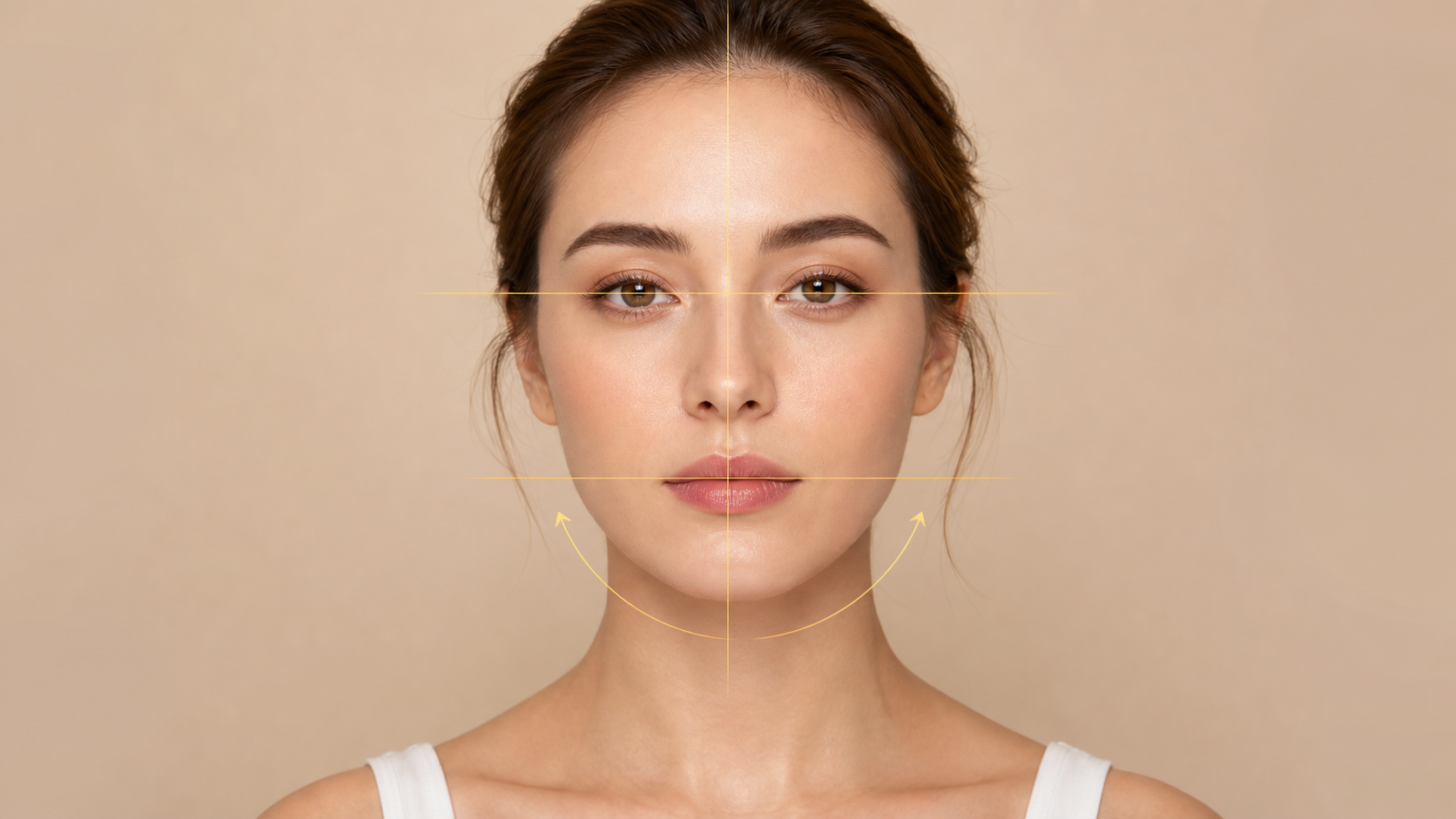
-
03
The stage where asymmetry becomes clear
The balance of the major bones that make up the face is also affected, making the difference between the cheekbones and eye height more noticeable, and
This is a stage that is easily noticeable to those around you. As it took a long time, facial balance was carefully maintained.
It is planned and approached in stages, and the treatment period can be relatively long.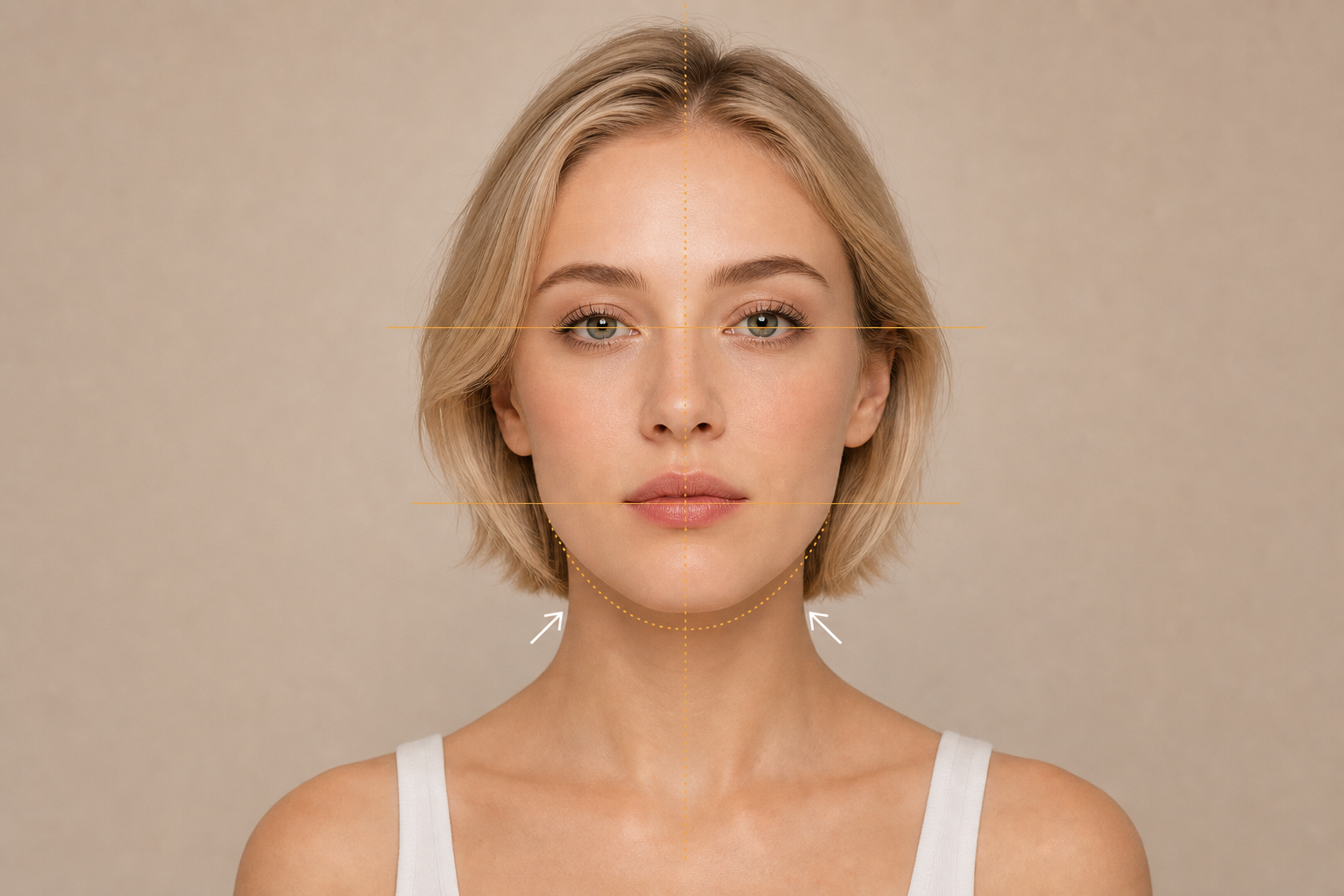
• Program
Chuna program to restore balance
*If necessary, it can be combined with oriental medicine treatments such as herbal medicine, acupuncture, and herbal medicine.
-
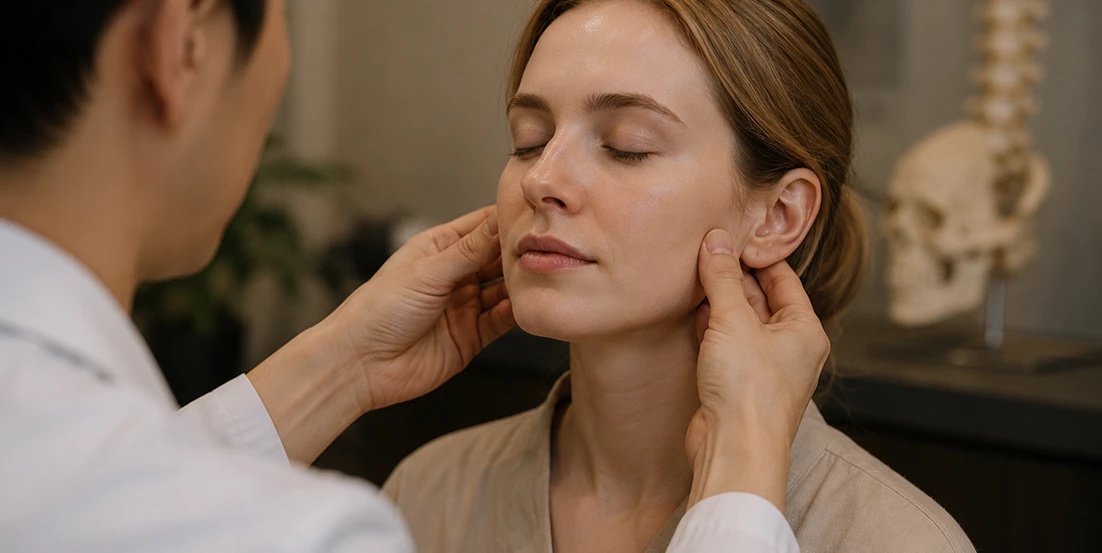
Facial Chuna Treatment
-
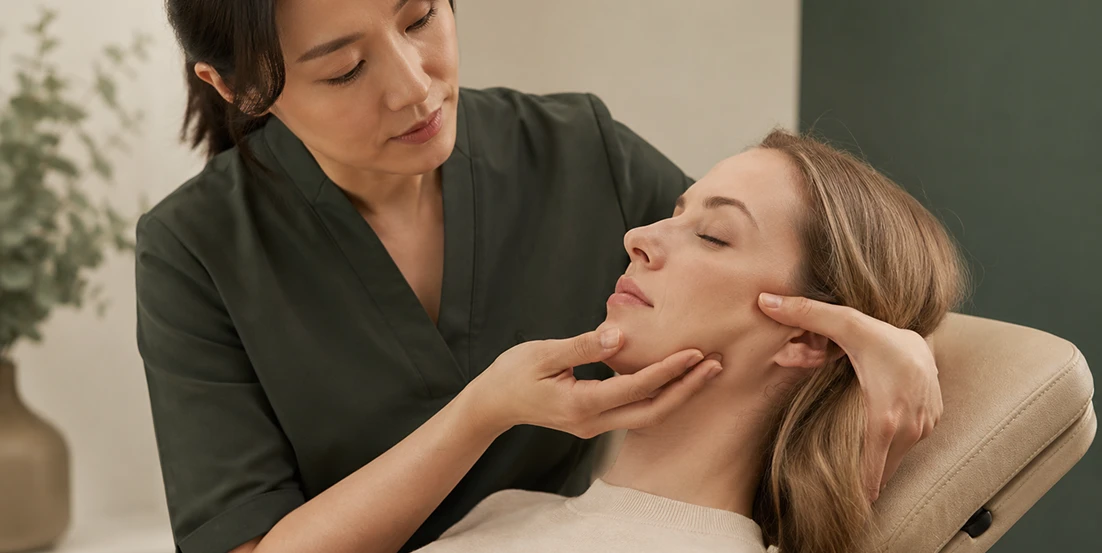
Temporomandibular joint balance management
-
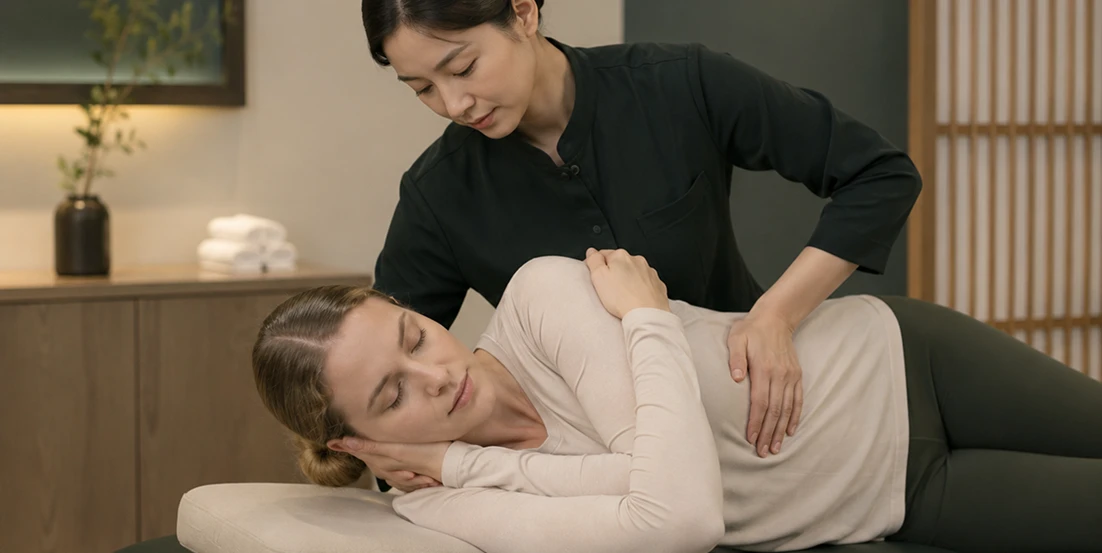
Cervical spine and posture correction
• Process
The procedure goes like this
-
STEP 1

Consultation / Interview
Share concerns about facial balance, lifestyle habits, and inconveniences.
-
STEP 2

Multi-angle detailed inspection
Facial skeleton, jaw joints, muscle balance, etc. are checked from various angles.
-
STEP 3

Cause diagnosis and treatment plan
We design an individualized treatment plan according to the identified cause.
-
STEP 3

Chuna treatment and progress management
As treatment progresses, management direction is adjusted according to the flow of change.
Before the procedure, please know in advance
After examining the cause of asymmetry and the condition of the temporomandibular joint and neck, we proceed within a reasonable range.
-
Please let us know if you have recent history of trauma, fracture, surgery, or dental or orthodontic treatment to the face, jaw, or neck.
-
If you have severe temporomandibular joint pain, restricted mouth opening, paresthesia, acute headache or dizziness, a diagnosis is required first.
-
Please inform us about osteoporosis, rheumatic disease, disc disease, bleeding tendency, pregnancy status, and medications you are taking during consultation.
-
Muscle pain, stiffness, fatigue, or temporary changes in pain may occur after treatment.
-
Avoid excessive self-correction or strong massage, and notify us immediately if pain, numbness, or dizziness worsens.
• FAQ
Frequently Asked Questions
We have collected questions regarding the diagnosis and treatment process of facial asymmetry Chuna therapy.
-
In addition to differences in bone growth, many factors such as temporomandibular joint, masticatory muscle tension, neck and shoulder posture, and chewing habits can also affect it.
-
It is not described as a treatment that changes the bone structure itself in adults. We examine joint movement, muscle tension, and posture imbalance to reduce functional burden.
-
You may feel pulling, pressure, or stiffness, but do not endure strong pain and proceed. Adjust the stimulation range according to your condition and response.
-
It depends on the cause of asymmetry, duration, temporomandibular joint symptoms, and lifestyle habits. We determine the initial response and recurrence factors and develop a treatment plan.
-
Temporomandibular joint movement and masticatory muscle tension can be evaluated together. If you have difficulty opening your mouth or have severe pain, imaging tests or collaborative consultation may be necessary.
-
The scope of application varies depending on the stage of orthodontic treatment, weeks of pregnancy, and physical condition. Please first inform us about the treatment provided by your dentist and whether you are pregnant.

• Booking
Treatment suited to my skin,
Start with consultation
We will guide you in designing a treatment that suits your constitution and skin condition.

